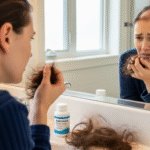
Does Nioxin cause hair loss? If your goal is fuller, thicker hair, it can be concerning to notice increased shedding after using a product meant to help. While Nioxin is marketed as a scalp-boosting haircare system for thinning hair, many users report unexpected hair loss during early use. This article explores whether Nioxin causes hair …

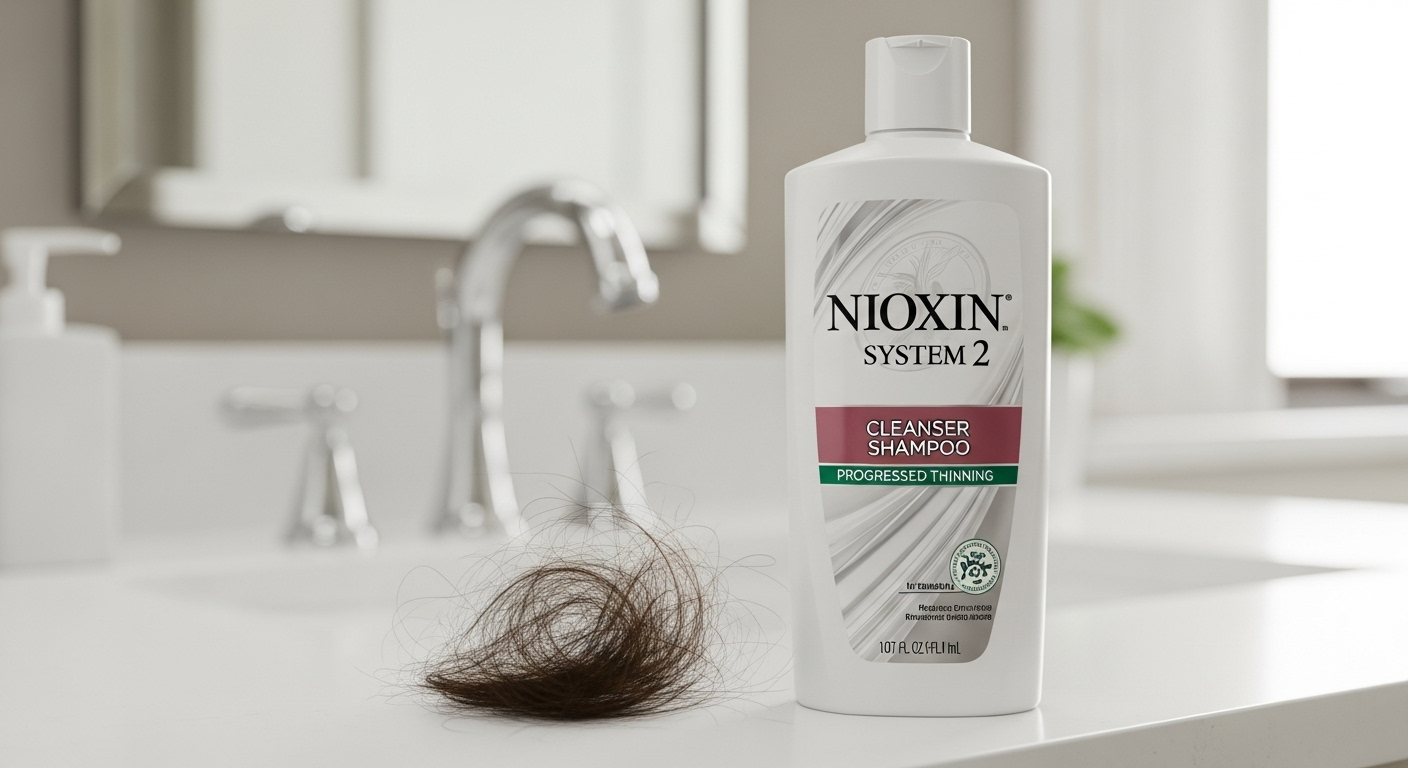
Does Nioxin cause hair loss? If your goal is fuller, thicker hair, it can be concerning to notice increased shedding after using a product meant to help. While Nioxin is marketed as a scalp-boosting haircare system for thinning hair, many users report unexpected hair loss during early use.
This article explores whether Nioxin causes hair loss, what ingredients might trigger shedding, and how to use it safely for real results.
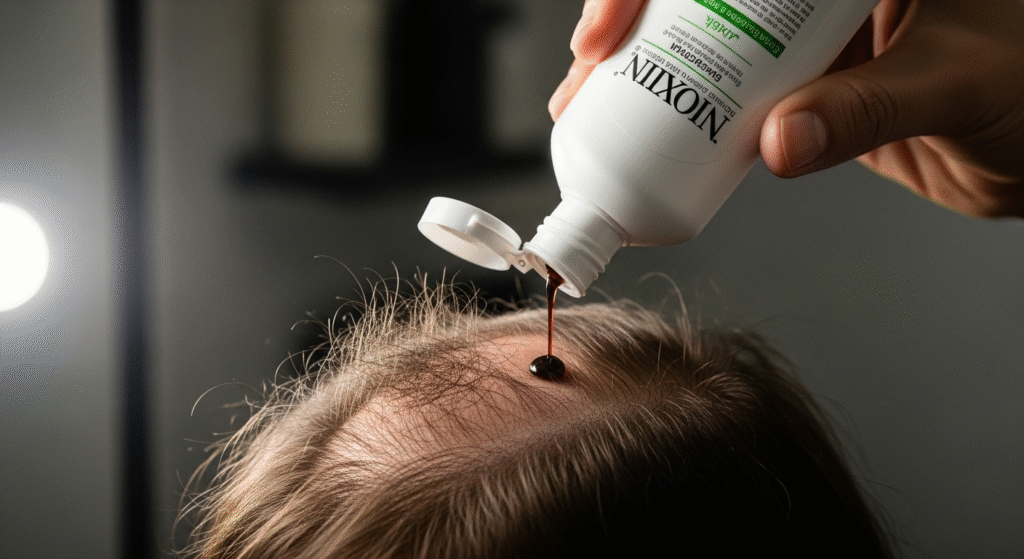
What Is Nioxin and How Is It Supposed to Work?
Nioxin is a professional-grade hair care system developed to support scalp health and visibly reduce hair thinning. It’s most often used by people dealing with:
- Mild to moderate thinning hair
- Fine or limp hair
- Scalp sensitivity or buildup
Key Nioxin Products:
- Cleanser Shampoo: Removes buildup, dirt, and sebum from the scalp
- Scalp Therapy Conditioner: Hydrates scalp and strengthens hair
- Scalp & Hair Treatment: Leave-in product with botanical ingredients for thickening
Nioxin claims to support hair resilience and create an optimal environment for hair growth. But is it always beneficial?
Does Nioxin Cause Hair Loss? Exploring the Concern
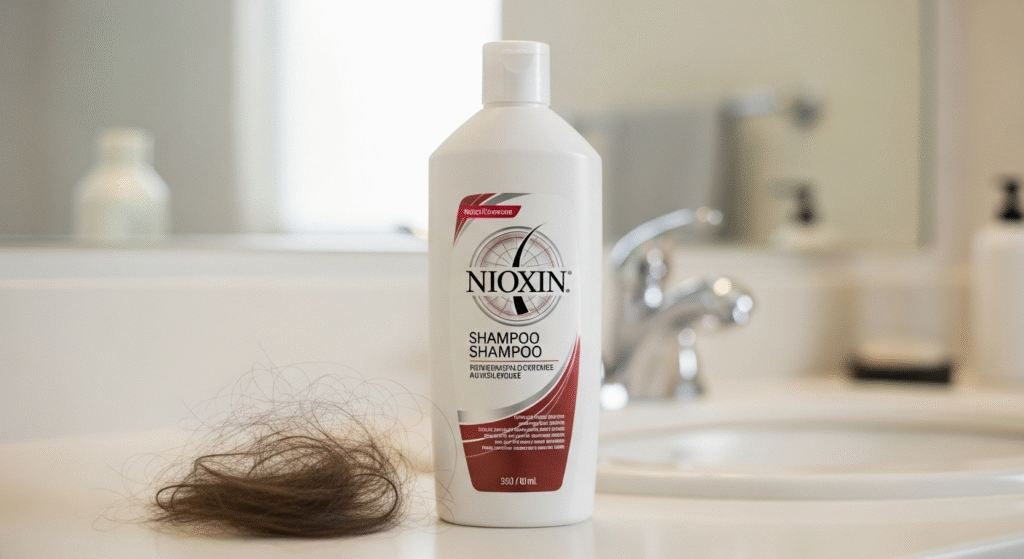
Many first-time users report increased hair shedding during the first few weeks of using Nioxin. But is that hair loss—or something else?
What Nioxin Says
The brand acknowledges a “purging phase” where weak or older hairs may fall out temporarily as the scalp adjusts. This is often described as the scalp’s way of resetting and preparing for stronger regrowth.
Is It a Side Effect or Normal Reaction?
Hair professionals consider this reaction normal and temporary, especially if:
- Hair falls out evenly across the scalp
- There’s no redness, burning, or itching
However, persistent or patchy hair loss could signal irritation or an allergic reaction.
Understanding the Science Behind Nioxin Ingredients
Nioxin uses a blend of botanicals, vitamins, and mild DHT blockers. But certain ingredients may cause sensitivity in some users.
Notable Ingredients:
- Menthol & Peppermint Oil: Improves scalp circulation but may cause tingling or dryness
- Niacinamide: Strengthens barrier function and supports follicle health
- Caffeine: May reduce miniaturization of follicles in some studies
- Alcohol Denat.: Can be drying or irritating in sensitive users
While these ingredients benefit many users, those with dry or reactive scalps may experience flaking or inflammation, leading to breakage mistaken as hair loss.
Shedding vs. Breakage vs. Hair Loss – What’s Really Happening?
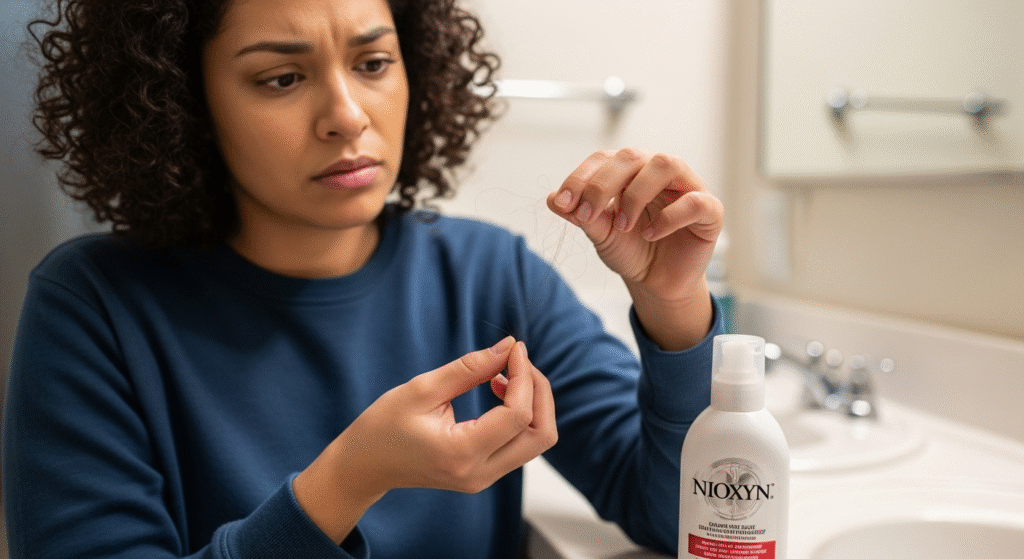
To assess your reaction to Nioxin, it’s essential to understand these key terms:
Shedding (Telogen Effluvium):
- Hairs fall naturally from the root
- Often triggered by new treatments, stress, or dietary changes
Breakage:
- Hair snaps mid-shaft, often due to dryness or chemical damage
Hair Loss:
- Can be genetic, hormonal, medical, or product-induced
- Should be evaluated by a professional if persistent
What Real Users Are Saying About Nioxin and Hair Loss
Positive Experiences:
- “Thicker hair after 3 months”
- “Initial shedding but major volume gain later”
Negative Feedback:
- “Burning sensation on my scalp”
- “My hair fell out in clumps after two weeks”
Trends:
- Most complaints occur in weeks 1–3
- Users with sensitive scalps more often report issues
- Those who stick with the system 60+ days tend to report better results
Expert Commentary on Nioxin and Hair Shedding
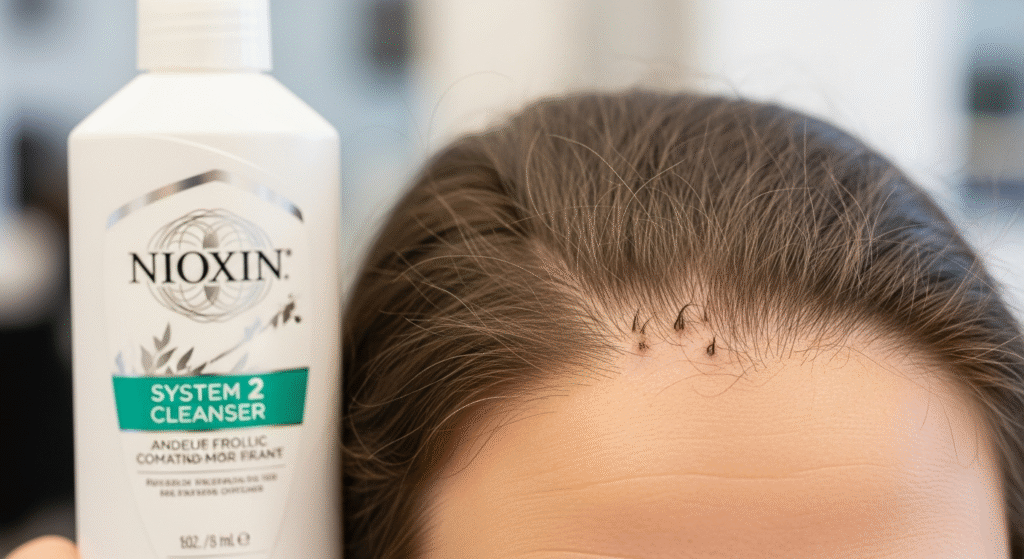
Advice from Hair Experts:
- Avoid over-washing (2–3 times per week is ideal)
- Monitor for inflammation
- Switch systems if shedding continues beyond 6 weeks
How to Use Nioxin Safely to Avoid Hair Loss
1. Start Slowly
- Use every other day for the first 2 weeks
- Apply treatment only to scalp, not hair shaft
2. Patch Test First
- Apply behind the ear or on the inner arm
- Watch for burning, redness, or excessive dryness
3. Hydrate the Scalp
- Use a lightweight, non-comedogenic serum or scalp oil weekly
- Avoid styling tools on high heat
Alternatives to Nioxin for Hair Thickening
- Minoxidil (Rogaine): FDA-approved for androgenetic alopecia
- Biotin + Peptide Serums: Non-irritating and suitable for sensitive scalps
- Caffeine Shampoos: Stimulates follicle activity gently
Should You Be Concerned About Hair Loss from Nioxin?
Nioxin does not typically cause hair loss when used correctly. Temporary shedding is common, especially in the early weeks. Most users benefit from increased volume and stronger strands over time. That said, any excessive or painful reaction should be discussed with a specialist.
FAQ
Is it normal to shed more when starting Nioxin?
Yes, this is often part of a temporary purging phase as weak hairs fall out.
Can Nioxin cause permanent hair loss?
No clinical evidence suggests Nioxin causes permanent hair loss. Persistent shedding may indicate another issue.
How long does the purging phase last?
Usually 2–6 weeks. Beyond that, consult a dermatologist.
What should I do if my hair falls out after using Nioxin?
Stop use, consult your doctor, and rule out underlying scalp conditions.
Is Nioxin safe for color-treated or thinning hair?
Yes, but those with sensitive skin should begin with a patch test.
Conclusion
If you’re unsure whether Nioxin is right for your hair or if you’re experiencing shedding that feels abnormal, don’t guess.
Book a consultation with Dr. Uzma Irfan, an ISHRS-certified surgeon in Islamabad for a personalized evaluation and treatment plan. From scalp assessments to advanced hair regrowth solutions, we help you move forward with confidence.